
Exhausted Mom: How to Get Some Energy (and Gentleness) Back
Exhausted mom, running on empty? Signs of parental burnout, what drives it, and realistic steps to lower the pressure, ask for help and find a little energy.
Published on November 11, 2026 · 4 min read

You're so tired you barely recognize yourself, running all day and still feeling like it's never enough? You're not alone, and it isn't a lack of love or willpower. Parental burnout is common, and it's often fueled by enormous pressure to be perfect. Getting some energy back starts with lowering a few expectations, choosing what really matters, asking for specific help and protecting small moments for yourself, without guilt. Here's how to begin, one small step at a time.
You're not the only one running on empty
In 2024, a team at The Ohio State University released a report based on a 2023 survey of more than 700 U.S. parents. Fifty-seven percent said they were experiencing parental burnout. More than half. If you feel drained, you're part of a very large group, even though each of us tends to feel like the only one who can't keep up.
Signs that tiredness has become burnout
Being tired with young kids is normal. Burnout is when the exhaustion doesn't lift, even after a good night or a quiet weekend. Common signs:
- Waking up already exhausted.
- Feeling emotionally drained, short-tempered, irritated by little things.
- Going through the day on autopilot.
- No longer enjoying time with your kids.
- Constant guilt about not being a good enough mom.
- Daydreaming about a few days away, just to sleep.
What drives mom burnout
The Ohio State researchers found that burnout was strongly tied to expectations, both the ones parents place on themselves and the ones they feel from others. These included feeling like a "good" parent, worrying about other people's judgment, having time to play with their kids, nurturing their relationship with their partner and keeping a tidy home. Lead researcher Kate Gawlik described a "culture of achievement," fed in part by comparisons on social media.
In other words, the problem usually isn't that you're not trying hard enough. It's that the bar is set at a height no one can reach.
Other common pieces:
- Sleep deprivation, especially with a baby or toddler.
- The mental load: remembering everything, all the time, for everyone.
- Not enough support around you.
- Little or no time that's truly yours.
8 realistic ways to get some energy back
1. Drop one expectation this week
Choose one thing you'll do "well enough" instead of "perfectly." A simple dinner. Laundry folded tomorrow. A house that looks lived in. The Ohio State researchers specifically recommend adjusting expectations for yourself and your kids.
2. Set your priorities
If you have to choose between a spotless house and an evening family walk, nothing says you have to choose the house. Write down your three real priorities for the week and let the rest go.
3. Catch the harsh thoughts
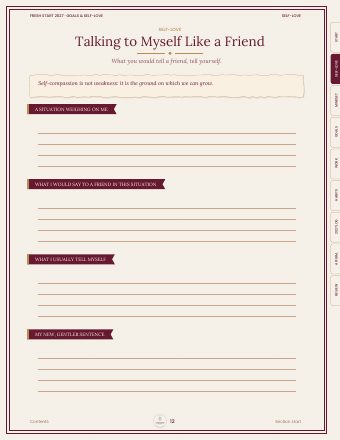
"I'm a bad mom." "Everyone else manages, but not me." When those sentences show up, pause: is it true? What would you tell a friend who thought that? Swap in a fairer one: "I'm doing my best through a hard season."
4. Ask for help, specifically
"Do you need anything?" rarely leads to real help. Specific requests work better: "Can you take the kids Saturday from 9 to 11?" "Can you handle bath time tonight?" Share the invisible tasks too: who tracks the appointments, the lunches, the birthday gifts.
5. Protect your sleep where you can
With a baby, full nights may be out of reach. But you can alternate nights with your partner, nap when the baby naps instead of tidying, or go to bed early a few nights a week.
6. Take ten minutes just for you
Not for the laundry. For you: a hot coffee you actually finish, a walk around the block, an uninterrupted shower, a few pages of a book. Taking care of yourself also shows your kids it matters.
7. Play instead of organize
The same report found that more free play with children and fewer structured activities were linked to fewer mental health struggles in kids. The good news: free play takes less planning, less driving and less pressure. Ten minutes on the floor with them counts.
8. Notice what went right
At night, jot down one thing that went well, however small: a hug, a fit of giggles, a dinner without an argument. It won't fix the fatigue, but it reminds you that your days hold sweetness too.
For that small evening moment, our gratitude journal gives you a simple page you can fill in two minutes:
When to talk to a professional
Burnout can slide into something heavier. After a birth, the U.S. National Institute of Mental Health (NIMH) notes that mood changes that are severe or last longer than two weeks may be a sign of postpartum depression, and that it is treatable. Sadness or anxiety that won't lift, hopelessness, losing interest in everything, or trouble bonding with your baby all deserve a conversation with your doctor, nurse, midwife or a mental health professional. You don't have to wait until you hit bottom. In the U.S., the National Maternal Mental Health Hotline is available at 1-833-852-6262. If you have thoughts of harming yourself or your child, get help immediately.
Frequently asked questions
Is it normal to feel this exhausted as a mom?
Fatigue is extremely common among parents, and burnout is too: more than half of the parents surveyed by Ohio State reported it. Common, yes, but not something you have to endure silently.
What's the difference between being tired and parental burnout?
Tiredness improves with rest. Burnout lingers, drains your energy and emotions, takes away the joy and often comes with guilt and impatience.
How do I ask for help without feeling guilty?
Remember that your kids need a mom who can stay standing, not a perfect one. Asking for help is a way of caring for your family. A specific request, with a day and a time, is often easier for others to say yes to.
What can I do if I never have time for myself?
Start small: ten protected minutes a day, written in your calendar like an appointment. Trade time with your partner or a friend: you watch her kids for an hour, she watches yours.
Sources
- Ohio State Wexner Medical Center: Study: Pressure to be perfect causing burnout for parents, mental health concerns for their children
- National Institute of Mental Health: Perinatal Depression
This article is written with the help of artificial intelligence and reviewed by the Lantern Days team. It does not replace advice from a professional. See our Artificial intelligence page.


Subscribe and get 2 gifts


