
How to Talk to Kids About Feelings: 5 Simple Steps and Ideas by Age
How to talk to your child about feelings: notice, listen, name and guide anger, sadness or fear, with phrases to use, ideas by age and books that help.
Published on November 11, 2026 · 5 min read

Your child melts down, cries without being able to say why, or shuts down completely? To help, start by staying calm, then notice what they're feeling, listen without judging, put a simple word on the emotion ("You look really mad") and only then look for a better way to respond together. All feelings are okay; some behaviors are not. Here's how to do it, step by step, with ideas for each age.
Why it matters so much
Little ones feel intensely, long before they have words. Zero to Three, a U.S. early childhood organization, notes that babies experience joy, fear, sadness and anger in their very first months. Learning to recognize and manage that whole range of feelings is linked to later success in school, work and relationships.
Zero to Three also stresses something important: feelings aren't good or bad. Brushing a child's feelings aside ("It's nothing," "Stop crying") doesn't make them go away. They can come out in other ways, as aggression or by turning inward.
The Centers for Disease Control and Prevention (CDC) puts it simply: just because they are little doesn't mean their emotions are unimportant.
First, calm yourself
A child's meltdown often stirs up our own feelings. The CDC advises making sure everyone is safe first, then pausing before you respond. Even three deep breaths help. If another trusted adult can watch your child, a longer pause, like a short walk, is fine too.
Bonus: kids copy adults. When you breathe slowly in front of them, you're showing them how to calm down. You can even invite them to breathe with you.
The 5 steps of emotion coaching
The CDC describes an approach called "emotion coaching." It works best when your child is upset but still able to listen, not in the middle of the storm.
1. Notice
Watch your child's feelings, especially while they're still small: their face, body and voice. You'll learn the early signs before things boil over. Notice your own feelings too.
2. Connect
Show them you see them: eye contact, a smile, a gentle hand on the shoulder. Get down to their level.
3. Listen
Your words, tone and body language show empathy. Avoid criticizing or judging the feeling. Remember that behavior is often a form of communication.
4. Name
Describe the emotion in simple words: "Are you mad because your tower fell?" A feelings chart with faces can help younger kids.
5. Find a good solution
Accept the feeling first, then set a limit on hurtful behavior and offer an alternative. As the CDC puts it: "It's ok to feel angry, but it's not ok to throw our blocks."
Phrases that help
- "It seems like you're disappointed. Am I right?"
- "You can be sad. I'm staying right here."
- "You're allowed to be angry. You're not allowed to hit. You can punch this pillow."
- "Do you feel mad and sad at the same time?"
- "What might help you right now?"
Don't worry about getting the label wrong. The CDC says that if your child corrects you, just try another word. You don't have to agree with a feeling to acknowledge it.
Ideas by age
Toddlers (1 to 3)
- Name feelings in everyday moments: "You're laughing! You're happy."
- Comfort can be wordless: sit close, hold them.
- Use simple pictures: a happy, sad, mad and scared face.
Preschoolers (3 to 5)
- Read books about feelings and ask, "How does the character feel? How do you feel when that happens?"
- Play a game of acting out emotions in the mirror.
- Set up a "calm corner" with a pillow, a blanket and a few books.
School-age kids (6 and up)
- Grow their vocabulary: frustrated, jealous, embarrassed, worried, proud, relieved.
- Use side-by-side moments (in the car, on a walk): that's often when kids open up.
- Share your own feelings, simply: "I felt stressed today, so I went for a walk."
Books are a great place to start
The big challenge is that kids don't yet have the words for what they're going through. A picture book gives them images and vocabulary, and it lets you talk about feelings in a calm moment, far from the meltdown. These two well-loved books are a lovely way to begin:
Read them when things are calm, then come back to them when needed: "Remember the red monster? Do you feel a bit like him right now?"
Take care of yourself too
Guiding kids through big feelings takes a lot of patience, and nobody gets it right every time. If you lost your temper, you can repair it: "I got too angry earlier. I'm sorry." That's a beautiful lesson for your child too.
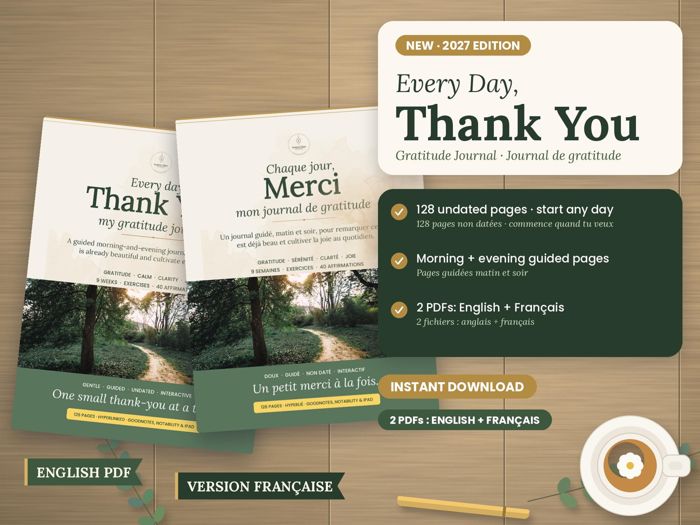
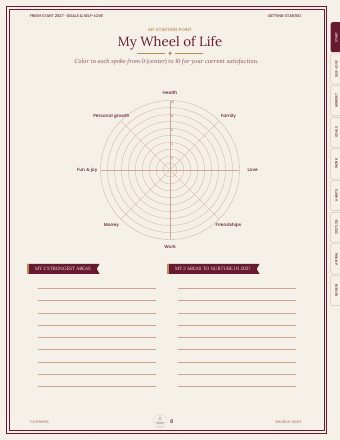
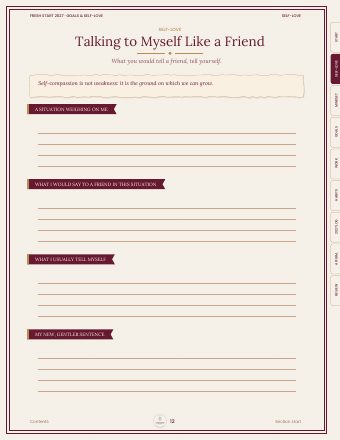
A few minutes for yourself at night can help you start the next day with more gentleness, for example by writing down what went well:
Frequently asked questions
At what age should I start talking about feelings with my child?
From birth. Even if a baby doesn't understand the words, they feel your tone and presence. Naming emotions from the early months lays the groundwork for later.
What should I do during a tantrum?
Make sure everyone is safe, calm yourself, then stay close. Wait for the storm to pass before talking it through: a child mid-meltdown can't take in explanations.
Do I have to accept every behavior?
No. All feelings are okay, but not all actions. You can welcome anger while setting a clear limit on hitting or throwing things.
When should I get help with my child's emotions?
If outbursts are very frequent, very intense, last a long time or worry you, talk to your child's doctor or a health professional.
Sources
- CDC: Tips for Noticing and Naming Emotions
- Zero to Three: First Feelings: The Foundation of Healthy Development, Starting From Birth
This article is written with the help of artificial intelligence and reviewed by the Lantern Days team. It does not replace advice from a professional. See our Artificial intelligence page.

Subscribe and get 2 gifts


