
Grief After Miscarriage: Understanding Your Pain and Finding Support
Miscarriage is a real loss. What you may feel, why it isn't your fault, how partners grieve, and gentle ways to honor your baby and find support.
Published on November 11, 2026 · 5 min read

A miscarriage isn't "just" a medical event. For many women and couples, it's the loss of a baby, a plan and a future they had already started to picture, and it is real grief. Whether you were six weeks or six months along, your sadness is valid. There's no right way to grieve a pregnancy loss and no deadline for "moving on." This article offers some gentle guideposts, without judgment.
A common loss that's often carried in silence
According to the American College of Obstetricians and Gynecologists (ACOG), as cited by Johns Hopkins Medicine, about 10 in 100 known pregnancies end in miscarriage, most often in the first trimester. It's a very common loss. And yet it often stays invisible: many people hadn't shared their news yet, so they grieve without anyone around them knowing.
That silence can make the grief heavier. You may not have had a service, sympathy cards or time off. Sometimes you're back at work a few days later as if nothing happened. What you're going through still deserves to be acknowledged, even if, for now, the only person acknowledging it is you.
It is not your fault
This is often the thought that shows up at 3 a.m.: "What did I do wrong?" Medical organizations are clear on this. Johns Hopkins Medicine reports that, according to ACOG, work, exercise, stress, arguments, sex or having used birth control pills in the past do not cause miscarriage. Most of the time, the cause is unknown or linked to problems that couldn't have been prevented.
Canada's PAIL Network (Pregnancy and Infant Loss Network, based at Sunnybrook in Toronto) also reminds care providers to tell families that the loss is usually not their fault, precisely because so many parents blame themselves. In case you need to hear it: your body didn't betray you, and you didn't cause this.
For any questions about your health or a future pregnancy, your doctor, midwife or nurse is the best person to talk to.
What you might feel
There's no "normal" checklist, but here's what many people experience:
- deep sadness, sometimes surprising in how intense it is;
- anger at your body, at life, or at the pregnant people around you;
- jealousy when you see a pregnancy announcement, followed by guilt for feeling it;
- a sense of emptiness, both physical and emotional;
- anxiety about the future or a next pregnancy;
- sometimes relief mixed with grief, if the pregnancy was hard or unexpected, and that's okay too.
Johns Hopkins Medicine notes that emotional recovery often takes longer than physical recovery, and that everyone processes grief differently.
When your partner grieves differently
Your partner is grieving a loss too, even if it shows up differently: trying to "be strong," focusing on practical tasks, or staying quiet so they don't add to your pain. Those differences can create distance.
A few ideas:
- share what each of you feels, without comparing;
- accept that your grief may move at different speeds;
- find one small thing to do together to remember your baby.
What can help
Naming your loss
Some people need to give the baby a name; others don't. Some say "my baby," others "my pregnancy." Use whatever words feel true for you. PAIL Network even encourages care providers to use the language a family chooses for their loss.
Creating a keepsake
Johns Hopkins Medicine mentions that some people find meaning in creating a memorial for the pregnancy they lost. A few gentle ideas:
- keep the ultrasound photo, the pregnancy test or a tiny piece of clothing in a box;
- plant a tree or a flower;
- light a candle on October 15, a day widely observed in the U.S. and Canada for pregnancy and infant loss awareness;
- write a letter to your baby.
Writing it down
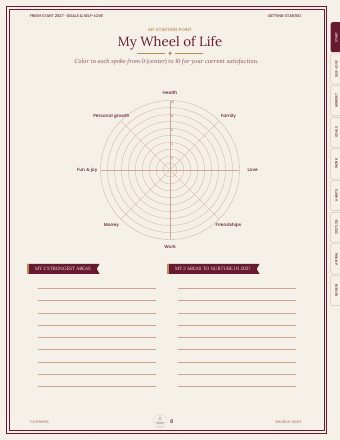
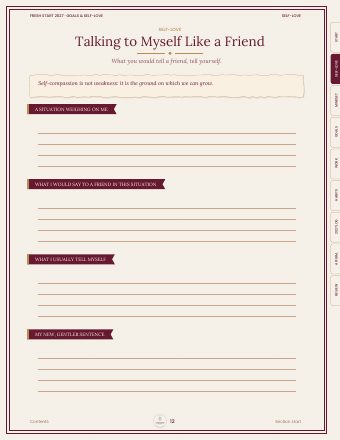
Putting your grief into words can make it easier to carry. You can write about what you imagined for this baby, what hurts today, what you wish others understood. A guided grief journal offers gentle prompts for the days when a blank page feels too heavy. It isn't written only for pregnancy loss, but many of its pages fit: choose the ones that speak to you and skip the rest.
Protecting yourself from hard moments
Pregnancy announcements, baby showers, your due date: these moments can reopen the wound. You're allowed to step away from social media for a while, turn down an invitation, or tell the people close to you what you need. Your due date is often especially heavy, so plan for it and surround yourself with support that day.
Finding support
Talking with people who've been through the same thing can help a great deal. In Canada, PAIL Network offers resources, peer support programs and a phone line (1-888-303-7245), mainly in Ontario. Your hospital, clinic or OB-GYN can also point you to pregnancy loss support groups near you, in person or online.
How to support a friend after a miscarriage
If someone you love is going through this:
- simply say "I'm so sorry about your baby";
- avoid "At least it was early" or "You can try again";
- offer specific help (a meal, a walk, an errand);
- remember their due date and reach out that day.
When to reach out for help
If sadness keeps you from functioning for several weeks, if you can't sleep, if you feel hopeless or if you have thoughts of harming yourself, talk to your doctor or a mental health professional soon. The time after a pregnancy, even a short one, can come with mood changes that deserve attention. You don't have to go through this alone.
Frequently asked questions
Is it normal to be this sad after an early miscarriage?
Yes. Attachment to a baby often begins with the positive test. The length of the pregnancy doesn't measure the love or the grief.
How long does grief last after a miscarriage?
There's no set timeline. The first weeks are often the most intense, and certain dates, like the due date, can bring the grief back later.
Did I cause my miscarriage?
According to ACOG, work, exercise, stress and arguments don't cause miscarriage. Most of the time, nothing could have prevented it. For any specific questions, talk to your doctor.
What should I say to someone who just had a miscarriage?
"I'm so sorry about your baby, I'm thinking of you" is enough. Listen, offer practical help, and avoid looking for a silver lining.
Sources
- Johns Hopkins Medicine: Miscarriage
- PAIL Network (Sunnybrook): Communicating with a family who has experienced a miscarriage
This article is written with the help of artificial intelligence and reviewed by the Lantern Days team. It does not replace advice from a professional. See our Artificial intelligence page.
To go further



Subscribe and get 2 gifts


