
How to Manage Holiday Stress: 10 Gentle Ways to Enjoy the Season Again
Gifts, meals, family and money can make the holidays exhausting. 10 practical ways to manage holiday stress and keep what matters most this season.
Published on November 11, 2026 · 6 min read

To manage holiday stress, plan early, choose the few things that matter most, set a budget, practice saying no, and protect real downtime every week. The holidays don't need to be perfect to be meaningful. Very often, doing a little less is exactly what lets you enjoy them a little more.
If December already feels like too much, you are far from alone. Between gifts, meals, family gatherings, money and shorter days, many women end up carrying most of the season on their shoulders. Here are 10 gentle, practical ways to make it lighter.
Why the holidays feel so stressful
The holidays add a second to-do list on top of everyday life. You shop, cook, clean, host and travel, all while still working and caring for your family. Mayo Clinic Health System points out that holiday tasks such as cleaning, cooking and shopping can be a real source of stress.
On top of that, there is often:
- expectations: the "perfect" holiday from movies and social media;
- money: gifts, outings and meals that stretch the budget;
- family dynamics: personalities that clash and conversations that get tense;
- fatigue: less sleep, more late evenings, less time for yourself;
- absence: someone who is missing, a separation, a first holiday that looks different.
Naming what stresses you is the first step. Take two minutes and ask yourself: what feels heaviest this year? That answer tells you where to start.
1. Decide what you actually want this season to feel like
Before your calendar fills up, ask one simple question: when the holidays are over, what do I want to remember? Maybe a pajama movie night, a quiet dinner with the people you love, a walk in the snow. Pick two or three moments that truly matter and protect them.
Everything else becomes optional. You don't have to do it all every single year.
2. Plan ahead, on paper
A lot of stress comes from carrying everything in your head. Mayo Clinic Health System suggests planning ahead: putting commitments on the calendar, deciding which events you will attend in person, and preparing a menu if you are hosting.
A simple way to do it:
- a dates page: gatherings, school concerts, days off;
- a gifts page: one line per person, with an idea and an amount;
- a meals page: the menu, the grocery list and what can be made ahead;
- a delegate page: everything someone else could take on.
Seeing the whole season on paper often makes the mountain look much smaller.
3. Set a budget and stick to it
Holiday spending is one of the biggest sources of worry. Mayo Clinic Health System recommends setting a budget and sticking to it, so you are not still paying off gifts months later. A few ways to spend less without losing the magic:
- do a name draw so each person buys one gift instead of gifts for everyone;
- set a maximum amount per gift;
- give time: a home-cooked dinner, an outing together, an afternoon of babysitting;
- make something: cookies, a jar of hot chocolate mix, a handwritten card.
As the Mayo Clinic also reminds us, the most meaningful gifts are often shared experiences rather than wrapped boxes.
4. Practice saying no, kindly
You don't have to accept every invitation. Saying no to one party is saying yes to rest. A few simple phrases:
- "Thank you so much for thinking of me! I'm keeping that evening quiet this year."
- "I can't make the dinner, but I'd love to grab coffee in January."
- "I can't host this year. Would someone else like to take a turn?"
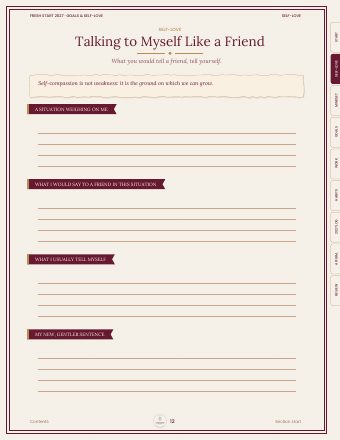
If setting limits makes you feel guilty, our guide on how to set boundaries without guilt can help.
5. Share the load
The holiday workload often lands on one person. Yet nearly all of it can be shared: everyone brings a dish, the kids wrap gifts, your partner handles online orders, a sibling hosts New Year's Day. Show your list to your family, as Mayo Clinic Health System suggests, and ask clearly: "Who can take this one?"
Our article on the mental load has more ideas for sharing what you carry.
6. Let go of perfect
The tree doesn't have to look like a magazine cover. Part of the meal can come from the grocery store. The house doesn't need to be spotless. Mayo Clinic Health System talks about being realistic: recognizing your limits, letting go of perfection and enjoying the people around you.
Try this: on your list, cross out one task nobody would really notice if it didn't get done. Then cross out another.
7. Keep a few everyday anchors
During the holidays we sleep less, eat differently and move less. Holding on to a few anchors helps you stay steadier:
- go to bed around the same time when you can;
- have a snack before a party so you don't arrive starving;
- get outside for a few minutes every day, ideally in daylight;
- move a little: a walk, snowshoeing, sledding with the kids.
8. Take real breaks
Mayo Clinic recommends that you slow down and make time to recharge. A break can be 10 minutes: a walk alone, a bath, a chapter of a book, a funny movie, a quiet moment with a warm drink. Put these breaks on your calendar like appointments. They matter as much as everything else.
9. Prepare for tense family moments
Family gatherings can stir up old tensions. Mayo Clinic Health System advises accepting that family members may not share your views and looking for common ground. Before the gathering, you can:
- decide ahead of time on one or two topics you'd rather avoid;
- keep a phrase ready to change the subject: "Let's talk about that another time. Who wants dessert?";
- have an exit plan: your own car, a time to leave, a quiet room.
10. Make a little room for gratitude
In the rush, it is easy to forget what is going well. Taking a minute each evening to write down three small things from your day (a laugh, the smell of cookies, a call from a friend) gently turns your attention toward the moments that feel good. It doesn't erase the tiredness, but it keeps stress from taking up all the space.
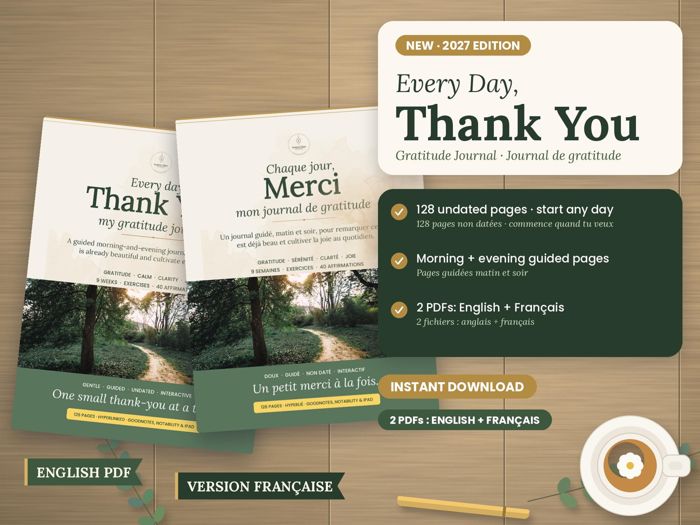
If you'd like to make it a small daily ritual, our Every Day, Thank You journal gives you one simple page a day, with no pressure.
When the holidays are hard for other reasons
For some people, holiday stress is covering something deeper: grief, a separation, loneliness, serious money worries. If that's you, be even gentler with yourself. You can change traditions, celebrate differently, or simply get through the season at your own pace. Our article on the first Christmas after a death may help if you are grieving.
If sadness, anxiety or exhaustion start to feel like too much, talk to someone you trust or to a professional.
Ease into January
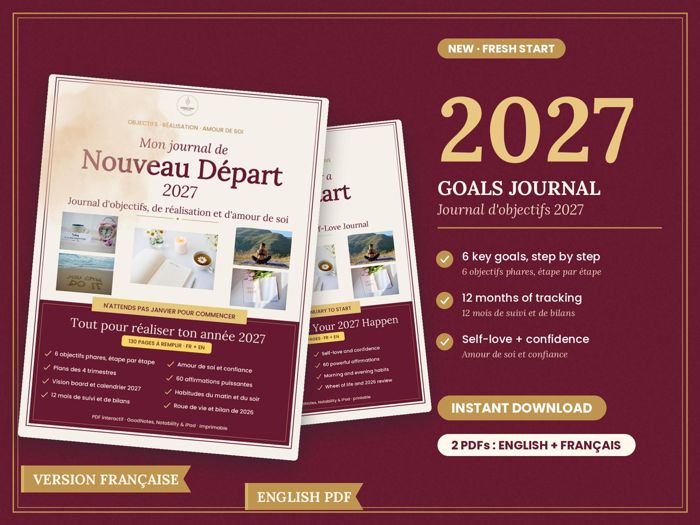
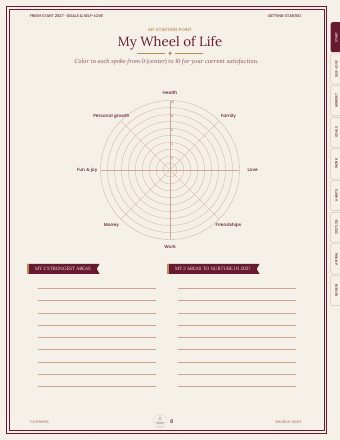
The holidays go fast, and January often arrives with a wave of fatigue. Keep a few quiet days after New Year's with nothing on the calendar. It is also a lovely time to think about the year ahead without impossible resolutions. Our Fresh Start 2027 journal helps you look back on your year and choose a few goals that fit your real life.
Frequently asked questions
Is it normal to feel stressed during the holidays?
Yes. The holidays pack a lot of tasks, spending and emotions into a short time, so stress is common. What helps is spotting what weighs on you most and lightening what you can.
How can I reduce stress about Christmas gifts?
Set a budget, make a list with one idea per person, and start early. A name draw or experience gifts, like an outing or a meal, can also take a lot of pressure off.
How do I say no to a holiday invitation without hurting anyone?
Say thank you, explain simply that you can't make it and, if you like, suggest another time. You don't owe a long explanation.
When should I ask for help?
If stress keeps you from sleeping or functioning day to day, or comes with sadness that doesn't lift, talk to your doctor or a mental health professional. If you have thoughts of harming yourself, call or text 988.
Sources
- Mayo Clinic Health System: Tips to fend off holiday stress
- Mayo Clinic News Network: Mayo Clinic Minute, 3 tips to reduce holiday stress
- Mental Health First Aid: Loneliness, how to cope during the holiday season
This article is written with the help of artificial intelligence and reviewed by the Lantern Days team. It does not replace advice from a professional. See our Artificial intelligence page.
To go further
Subscribe and get 2 gifts


